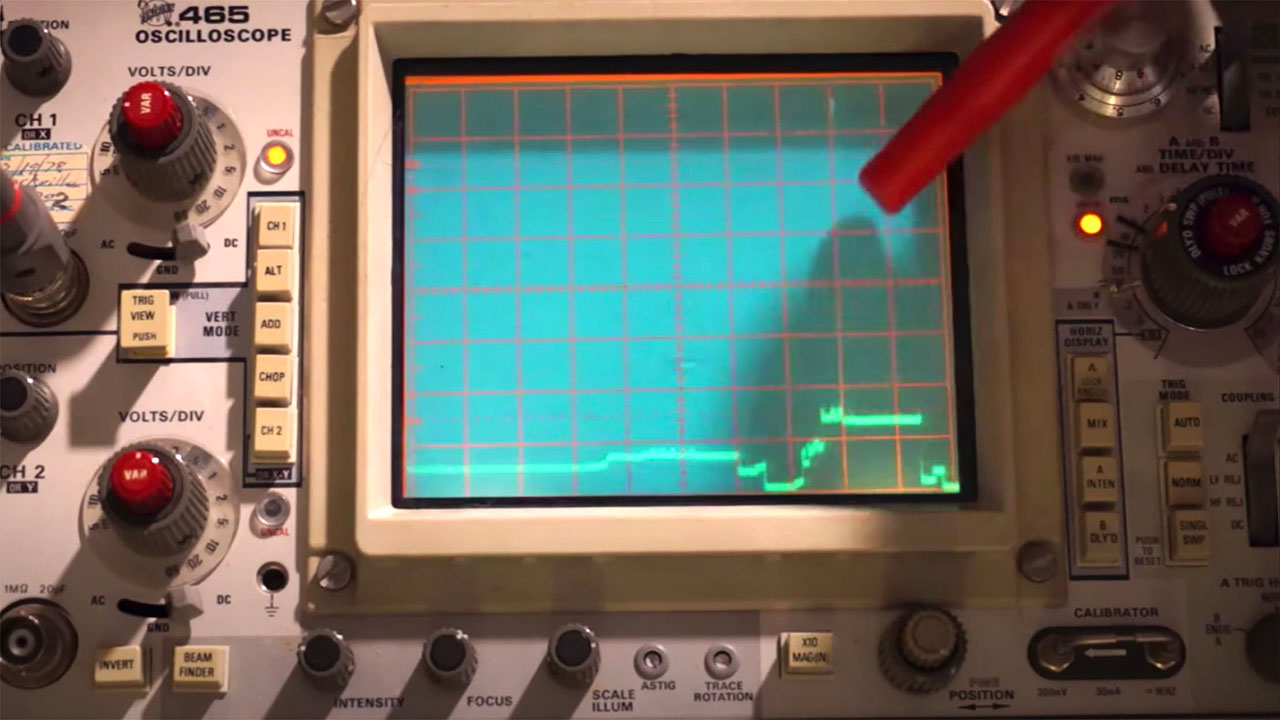
One of the biggest advantages of the ESP8266 is its popularity within the open-source community and its low price. However, for battery-powered IoT applications, ESP8266 low power performance is a concern. The WiFi radio consumes at least 70mA while active. Additionally, the ESP8266 takes 6 to 10 seconds to boot and connect to a WiFi network. It also needs time to complete tasks, such as making an HTTP request, before entering deep sleep. This high current draw during these brief periods is not ideal for battery-powered devices. The significant power draw can quickly deplete batteries, especially in devices that need long-term operation without frequent maintenance.
Allah will elevate those of you who are faithful, and those gifted with knowledge in ranks. And Allah is all-aware of what you do.
Quran 58:11
Exploring Alternatives
I was looking for a more power-efficient alternative. Although this might mean a higher cost and fewer software libraries, I found a promising method from a Washington-based enthusiast. This approach completes the operation in just 100 milliseconds, compared to the ESP8266’s 6 to 10 seconds. Such a significant improvement in ESP8266 low power operation can greatly extend battery life. This makes it more suitable for applications where frequent battery changes would be impractical.
Testing and Comparisons
In my upcoming experiments, I am planning to test this approach to see if it can deliver the expected improvements. Additionally, I came across another solution from Denmark, where an ATtiny85 is used alongside the ESP8266. While this combination showed some promise, the power-saving results from this setup did not meet my expectations. It’s clear that optimizing low power usage requires a nuanced approach, balancing cost, complexity, and performance.
If you’re curious to learn more, you can check out this article: ESP8266 on Batteries for Years. Exploring different ESP8266 low power techniques is crucial for optimizing battery efficiency in IoT projects. As technology advances, new methods and innovations may provide even more efficient solutions for power management. Stay tuned for updates and detailed results from my ongoing tests and research.
Further Reading
Alongside exploring ESP8266 low power engineering, I’ve also worked on optimizing other low-power IoT projects. For example, my LoRa-based IoT network project highlighted how LoRa technology can extend communication range while conserving power. Additionally, I’ve optimized battery life in IoT sensors using advanced techniques. You can learn more about these projects in my blog posts on Low-Power Long-Range LoRa IoT Network and nRF24 IoT Sensor Network.

Leave a Reply