
Category: Engineering
-
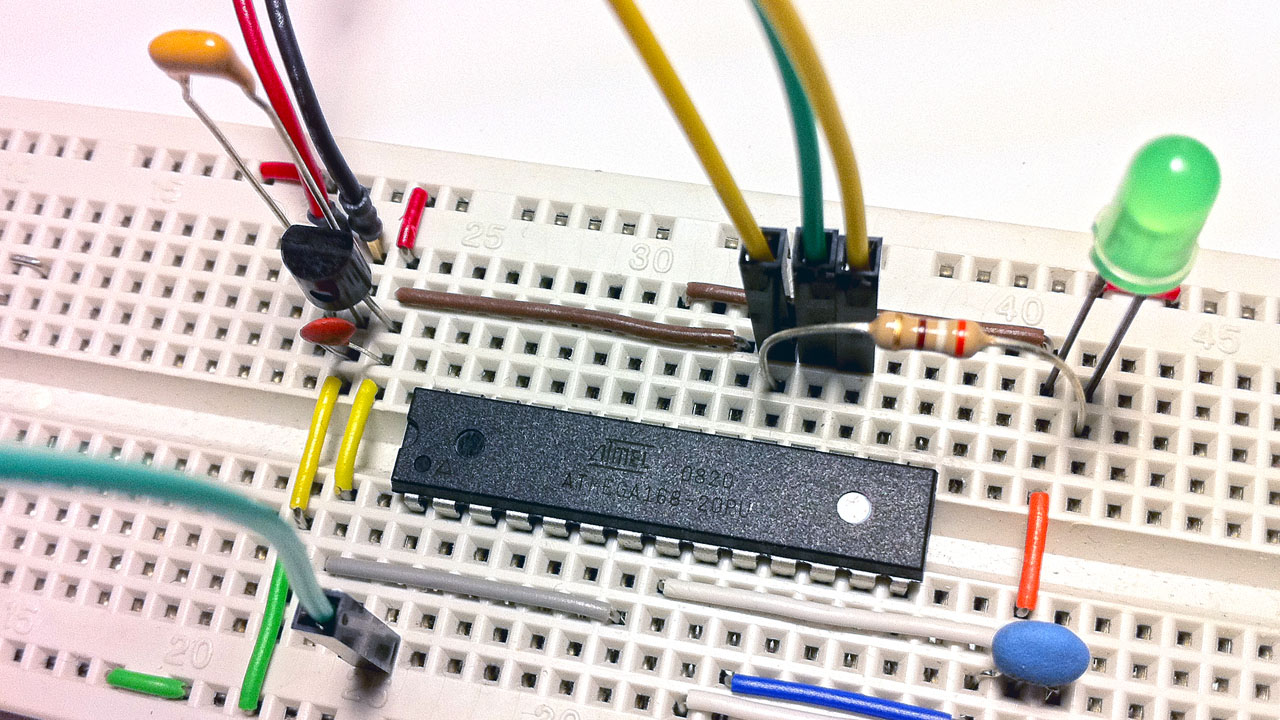
Make Your Own Arduino on a Breadboard
14th Jumada Al-Akhirah, 1432 AH at Queens, NY. Arduino is an open-source electronics prototyping platform designed to make hardware and software flexible and easy to use for everyone. Think of it as a tiny micro-computer in the palm of your hand. You can write programs in C/C++ and upload them to an Arduino in seconds.…
-
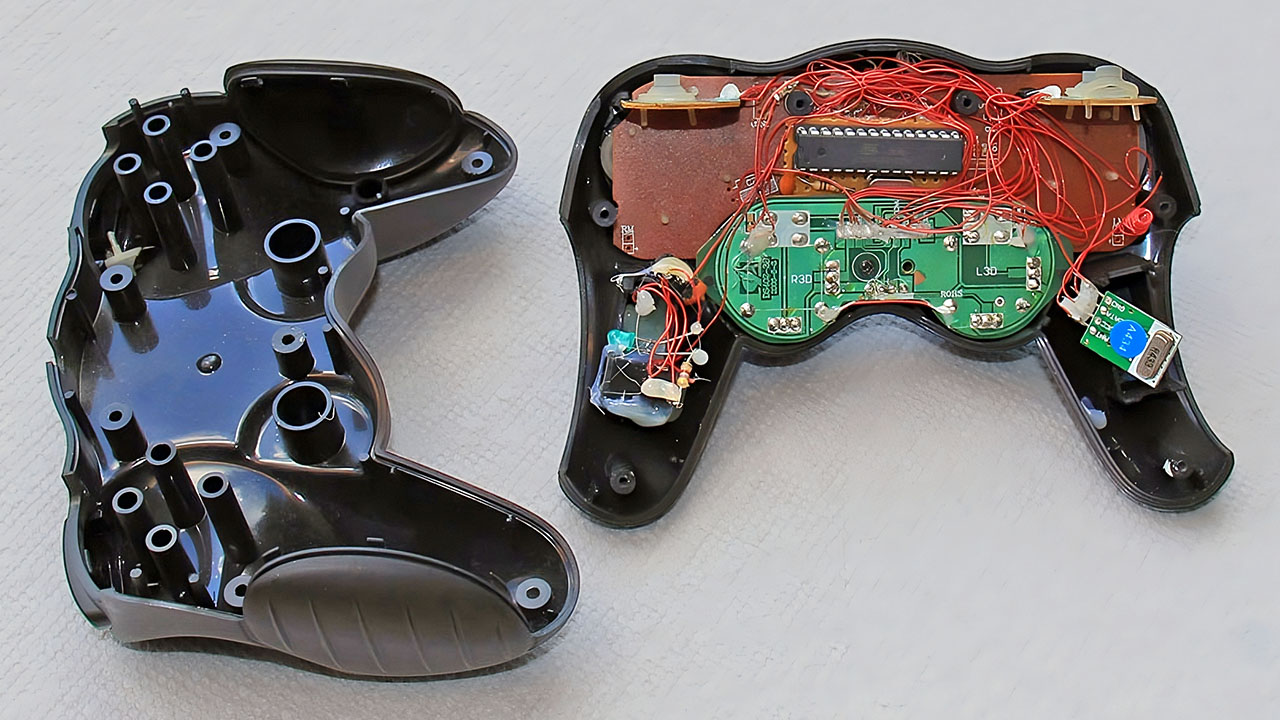
Designing a Wireless Joypad for Robotic Control
I was thinking about designing a wireless joypad to control my robot, and I finally came up with an idea to repurpose a cheap Gigaware PS2 Joypad from RadioShack, which cost only $9.99. This joypad includes: I began by searching the web for ways to interface this PS2 controller with an Arduino and discovered an…
-
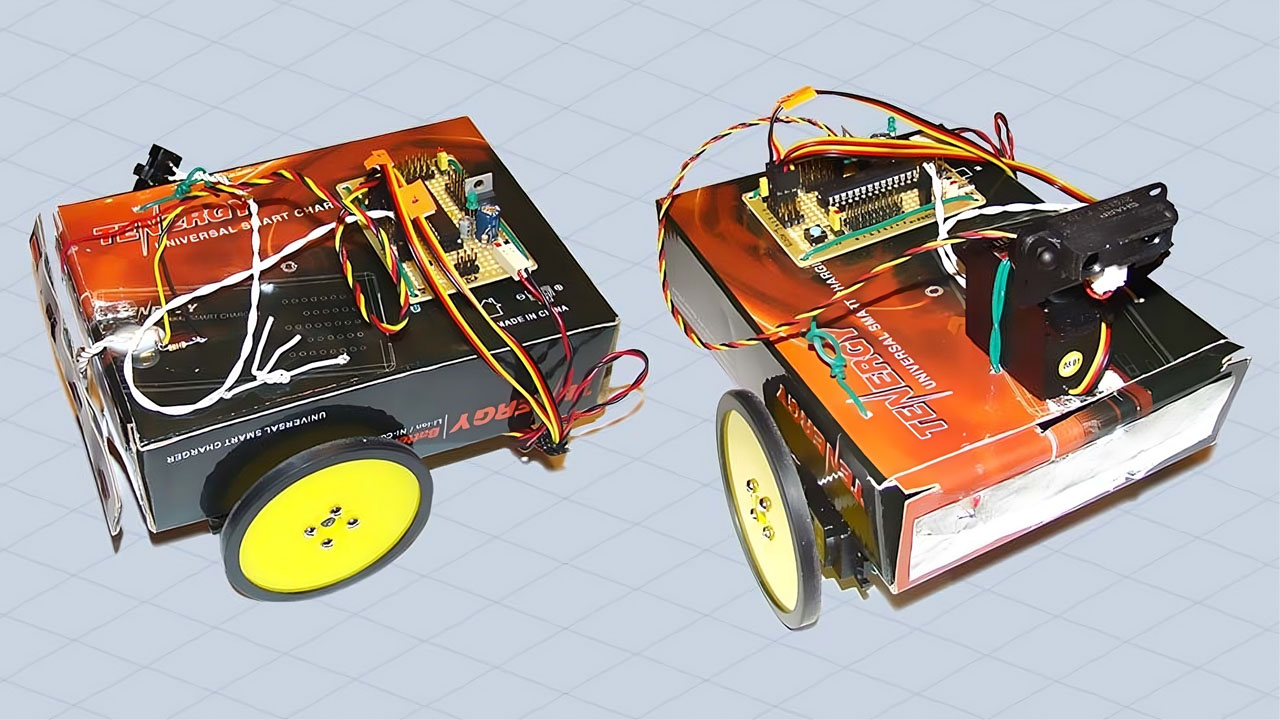
Building My First Robot
16th Ramadan, 1429 AH at Queens, NY. After building the motherboard, I couldn’t wait to create my first robot. It took me less than a day to assemble this quick-and-dirty ghetto robot, which served as a pre-experimental project. Without any mechanical tools or a 3D printer at hand, I had to improvise. I repurposed a…
-
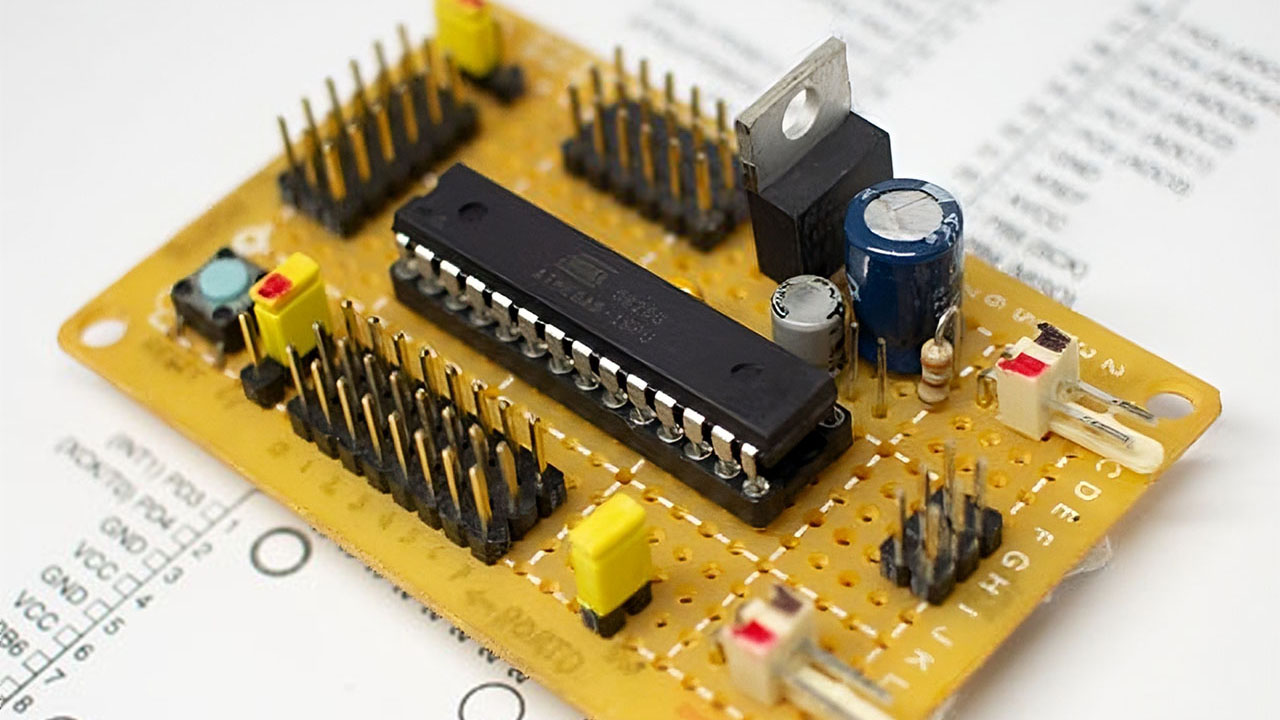
Designing the Motherboard for My First Robot
14th Ramadan, 1429 AH at Queens, NY. Today, I completed building the brain of my robot, the MCU board using the ATmega8 AVR microcontroller. This MCU board can be powered by a 6V adapter or five 1.2V NiMH rechargeable batteries. The ATmega8 AVR runs on 5V, which is why I used National Semiconductor’s Low Dropout…
-
Using ADC0804 for Analog to Digital Conversion
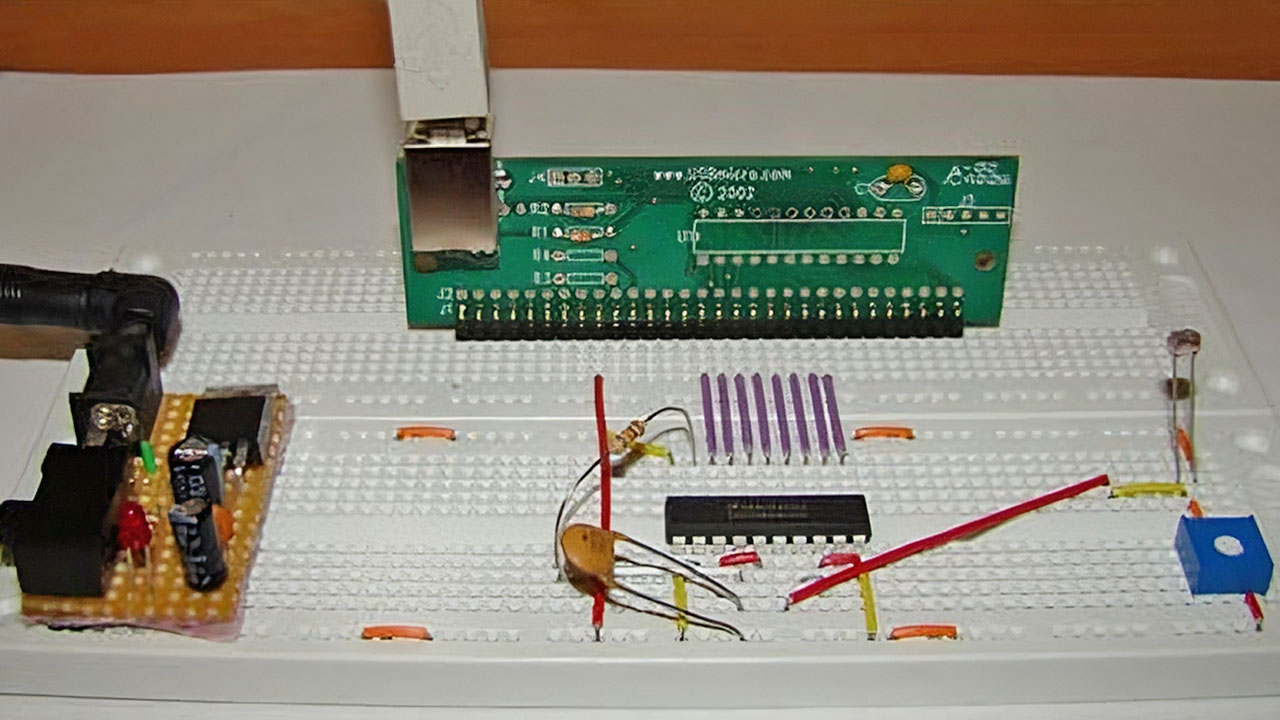
21st Shaban, 1429 AH at Queens, NY. When I first dived into the world of analog-to-digital conversion, I decided to start with a classic project using the National Semiconductor ADC0804. This 8-bit ADC, which works seamlessly with 8-bit microprocessors and microcontrollers, quickly became my go-to for understanding how analog signals are digitized. He creates you…
-
My First 8051 Microcontroller Project
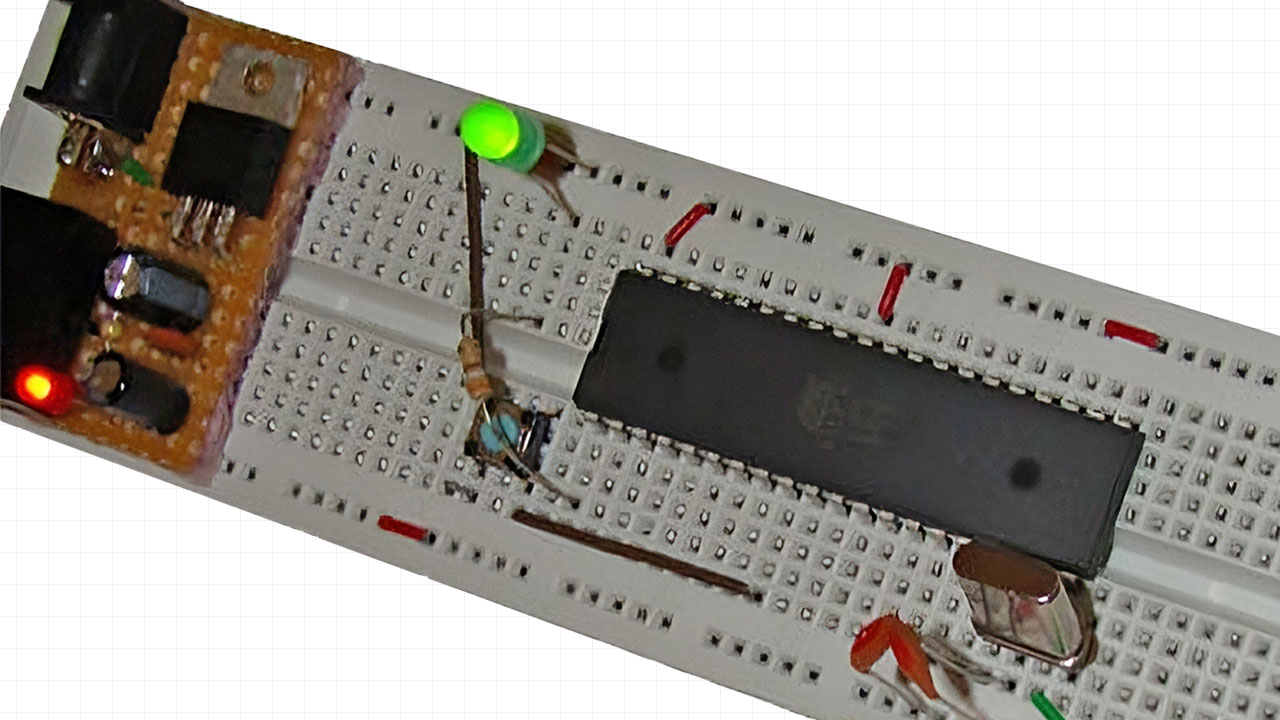
19th Shaban, 1429 at Queens, NY. For my first Hello World! project with a microcontroller, I chose to implement an LED blinking circuit. It uses the ATMEL 89C51 (40-pin DIP) microcontroller, which is based on the 8051 architecture and is well-suited for beginners learning about microcontroller chips. Allah is the Guardian of the believers—He brings…
-
Stable +5V Regulated Power Supply
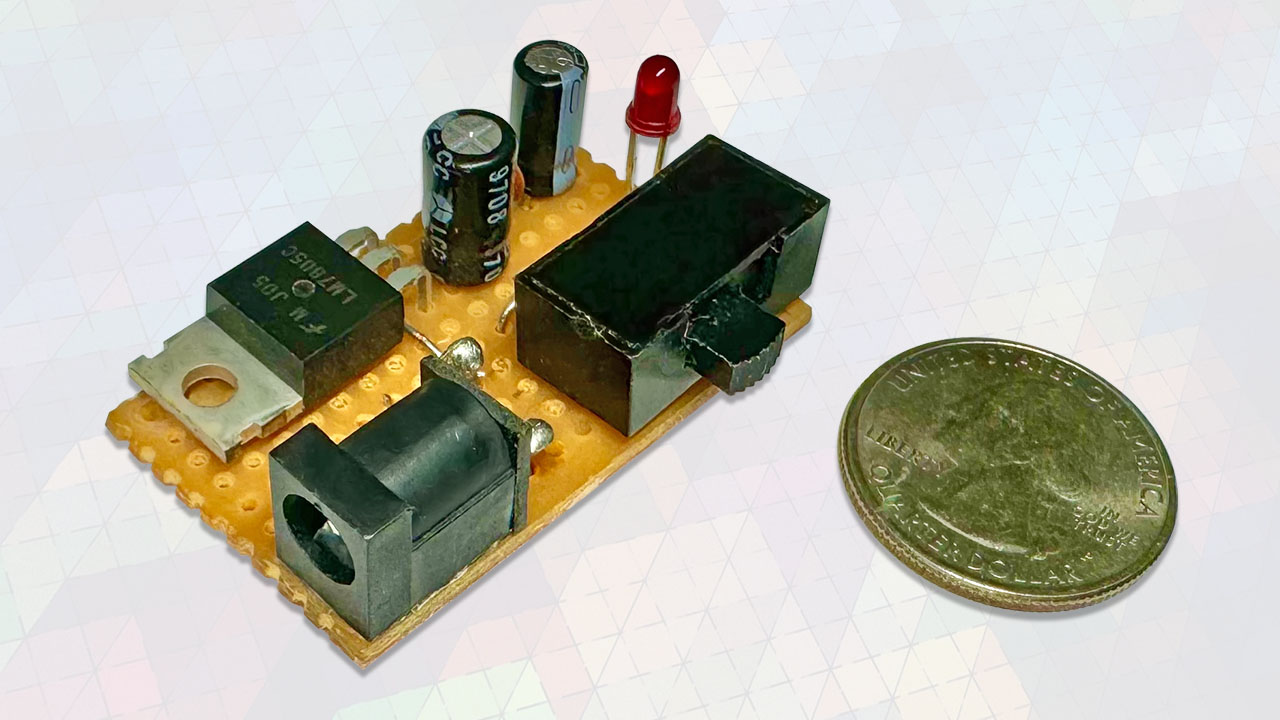
19th Shaban, 1429 at Queens, NY. This circuit provides a stable +5V power supply, ideal for experimenting with digital electronics. While small, inexpensive wall adapters with variable output voltage are widely available, they often suffer from poor voltage regulation. This circuit addresses that issue, offering a reliable +5V output. Allah makes the believers steadfast with…
-
Rotary Camera Control with Stepper Motor
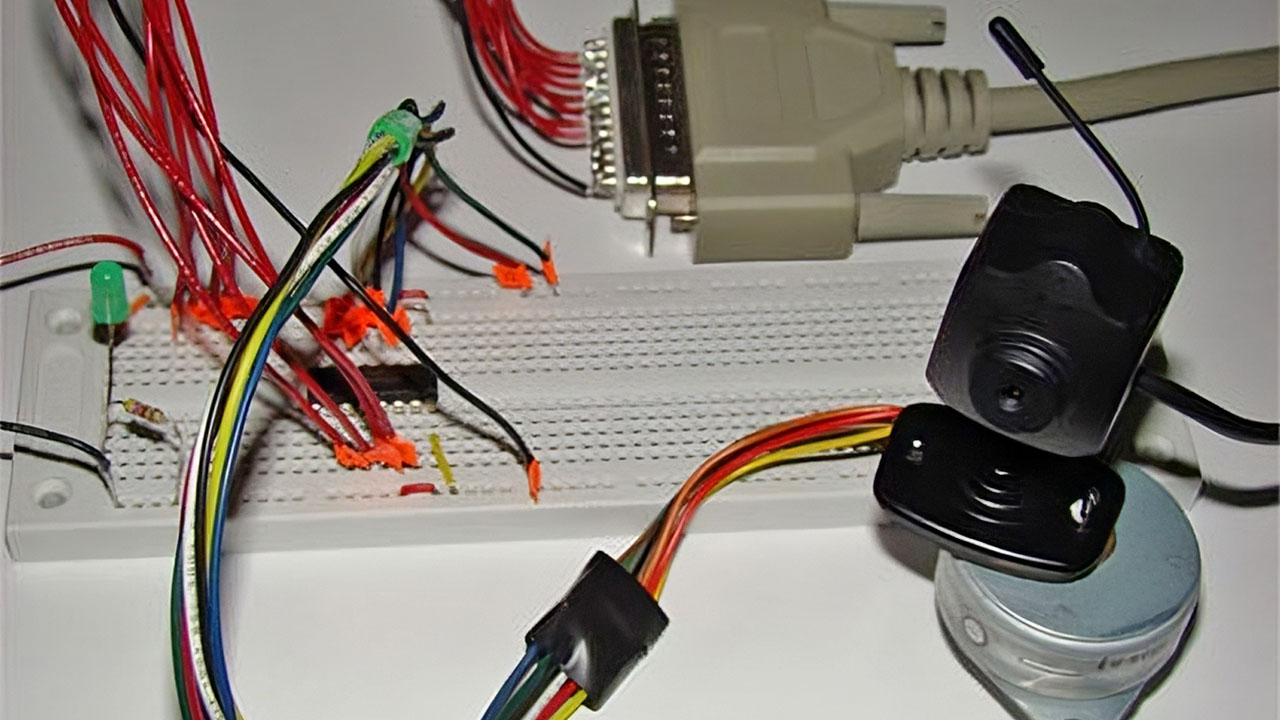
13th Shaban, 1429 AH at Queens, NY. This project involves a simple stepper motor controller designed to rotate a small wireless camera. The setup is based on the circuit from a previous project, with the main difference being that the camera now rotates in response to Right or Left arrow key presses from the keyboard.…
-
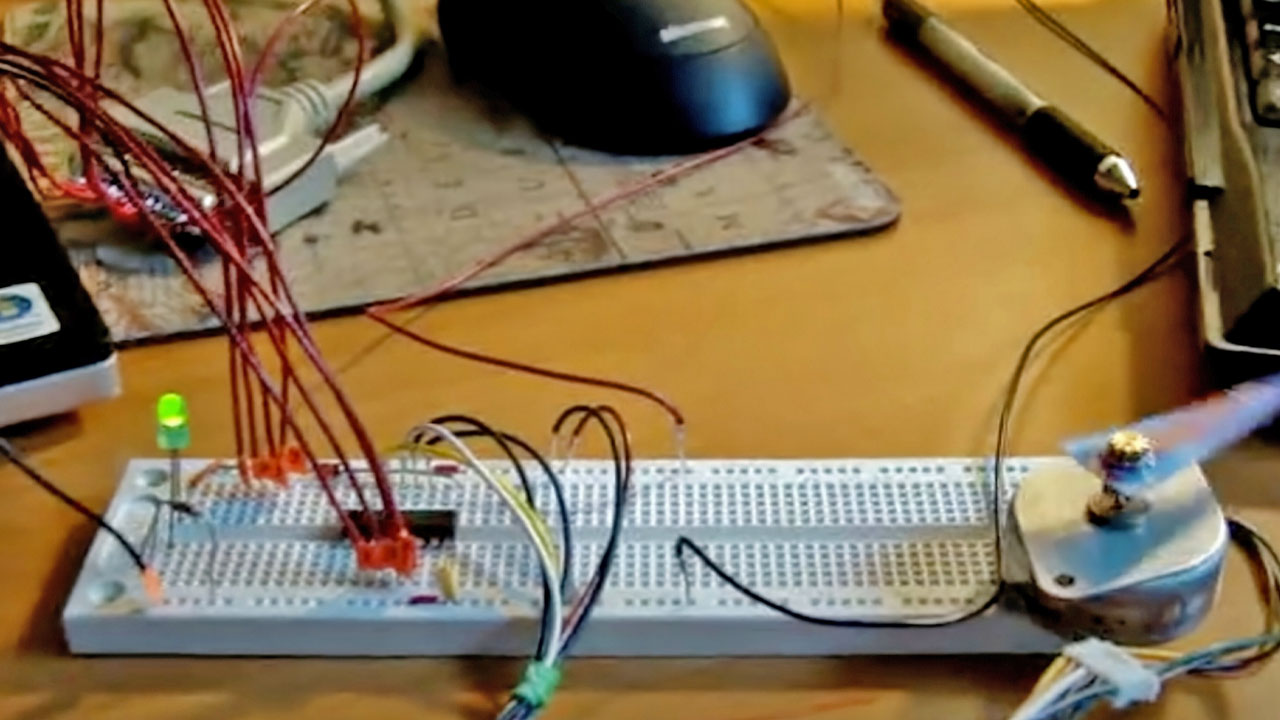
Controlling a Stepper Motor with Parallel Port
13th Shaban, 1429 AH at Queens, NY. This project marks my first foray into working with stepper motors, where I utilized the NIPPON PF35T-48L4 unipolar motor. I controlled this motor from a PC using the Parallel Port (LPT1, DB25). For amplification of the input current from the port, I employed a ULN2003A IC, which features…