
Tag: ATmega
-
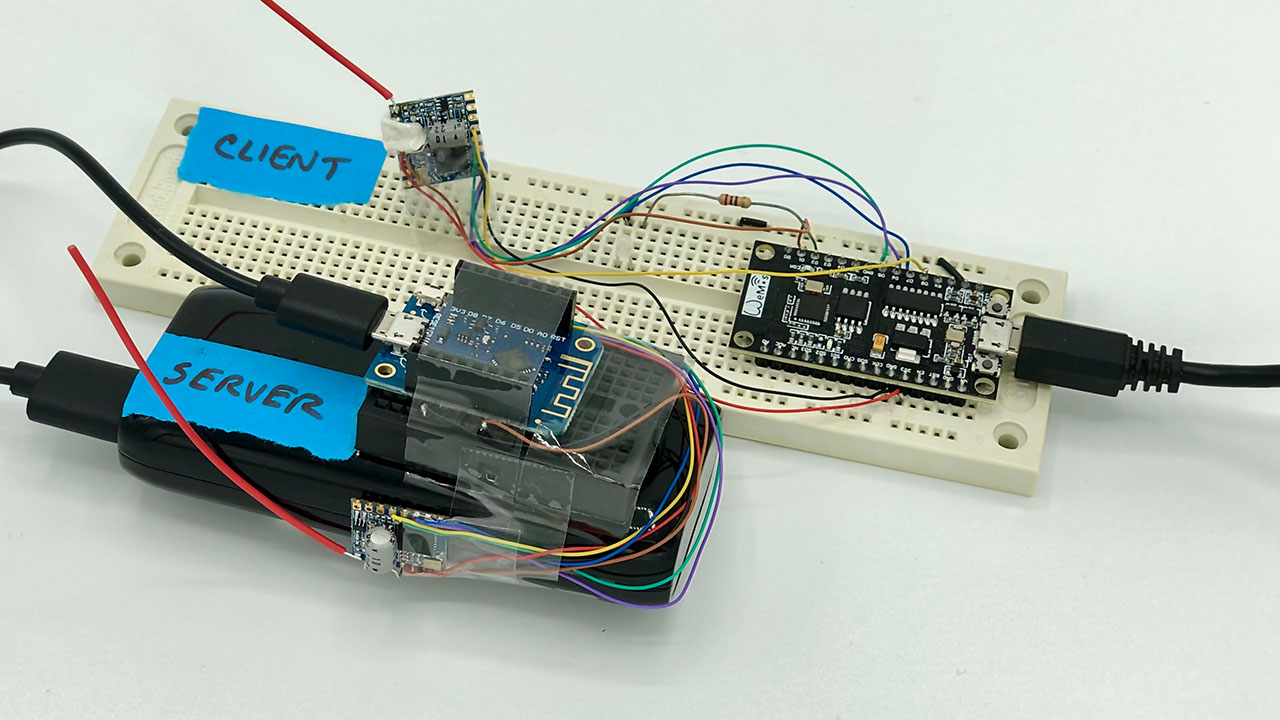
Low Power IoT Network using Arduino and Long-Range LoRa
In continuation of my work with the nRF24 IoT Sensor Network, I decided to test a couple of RFM95 (LoRa) modules I had in my lab. This time, instead of using the MySensors library, I opted for a more lightweight library called RadioHead for Arduino. The objective was to evaluate the range of these LoRa…
-
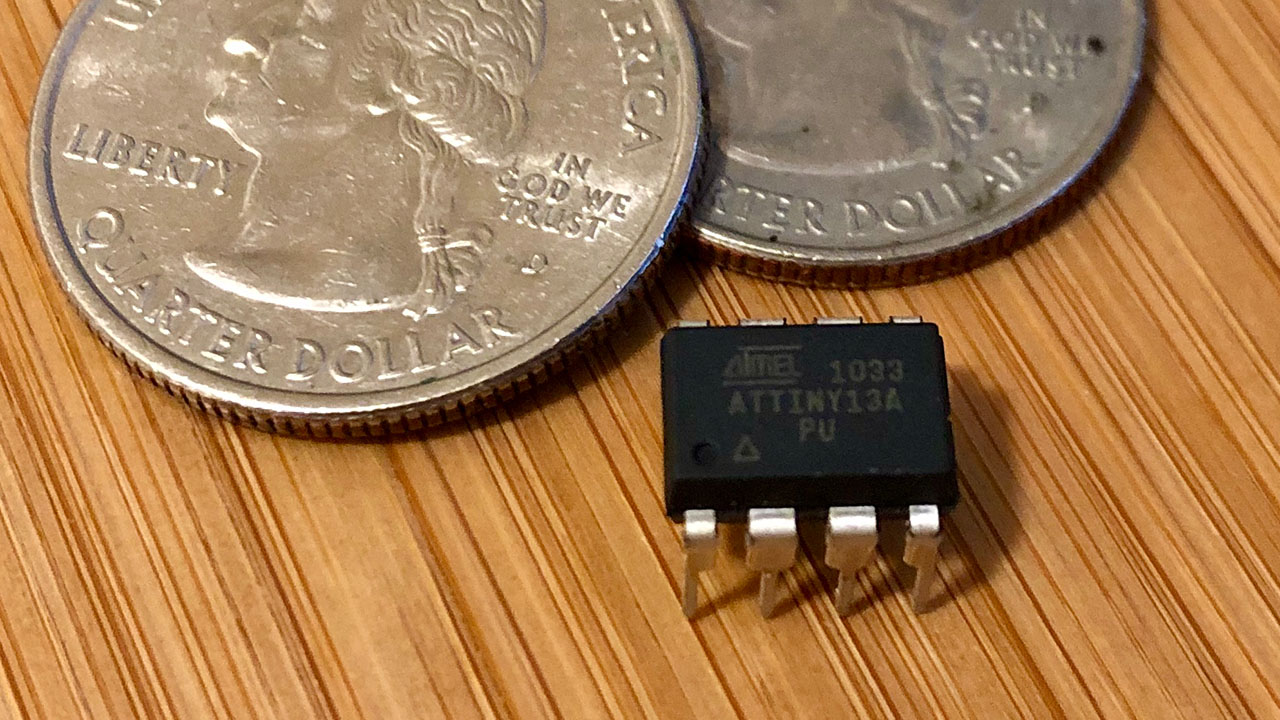
DIY Arduino Tiny – Build a Dirt Cheap Version for Just 50 Cents
Not everyone requires a full-fledged microcontroller board like the Arduino Uno or Raspberry Pi for their simple projects. These boards typically range from $15 to $100, depending on your budget. However, if you’re working on a small project that only needs a few I/O pins, there’s no need to blow your entire coffee budget. Instead,…
-
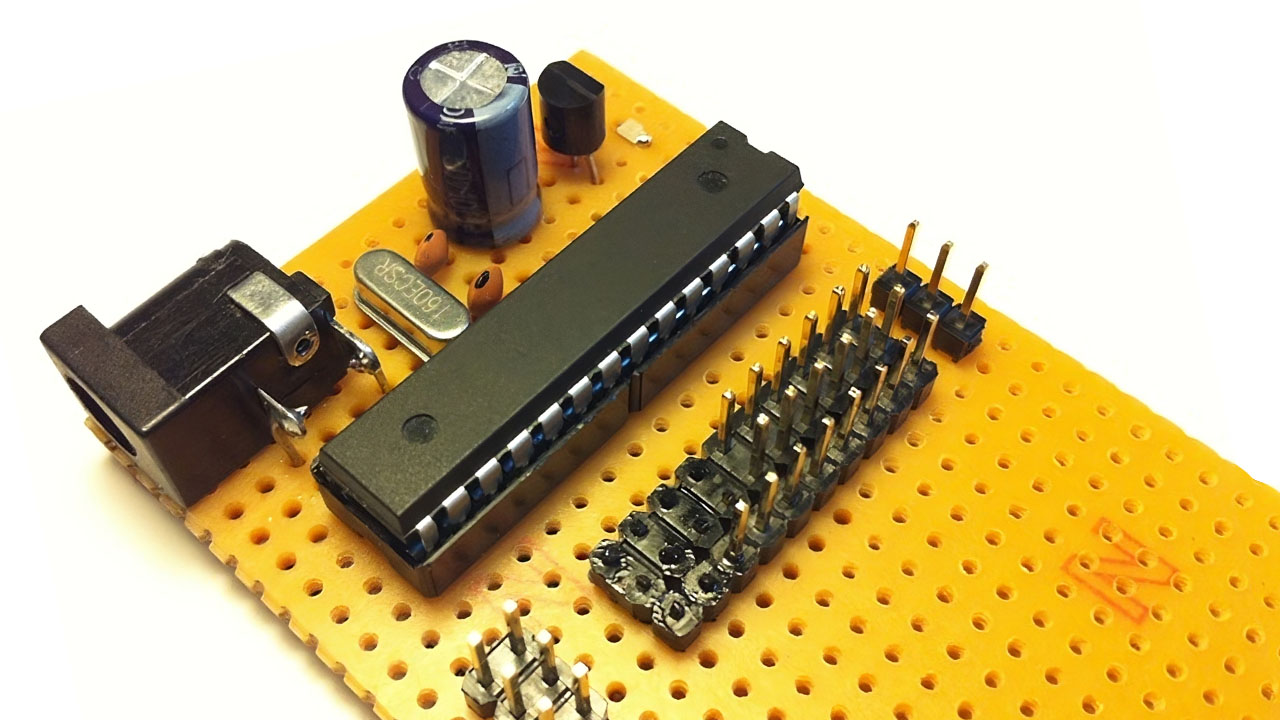
Building an ATmega AVR Microcontroller Board
13th Ramadan, 1432 AH at Queens, NY. Many websites demonstrate how to make your own microcontroller board, but few of them describe the process in layman’s terms. Often, they emphasize either building the hardware or the software, rarely both. In this article, I will show you how to build an AVR microcontroller board from scratch…
-
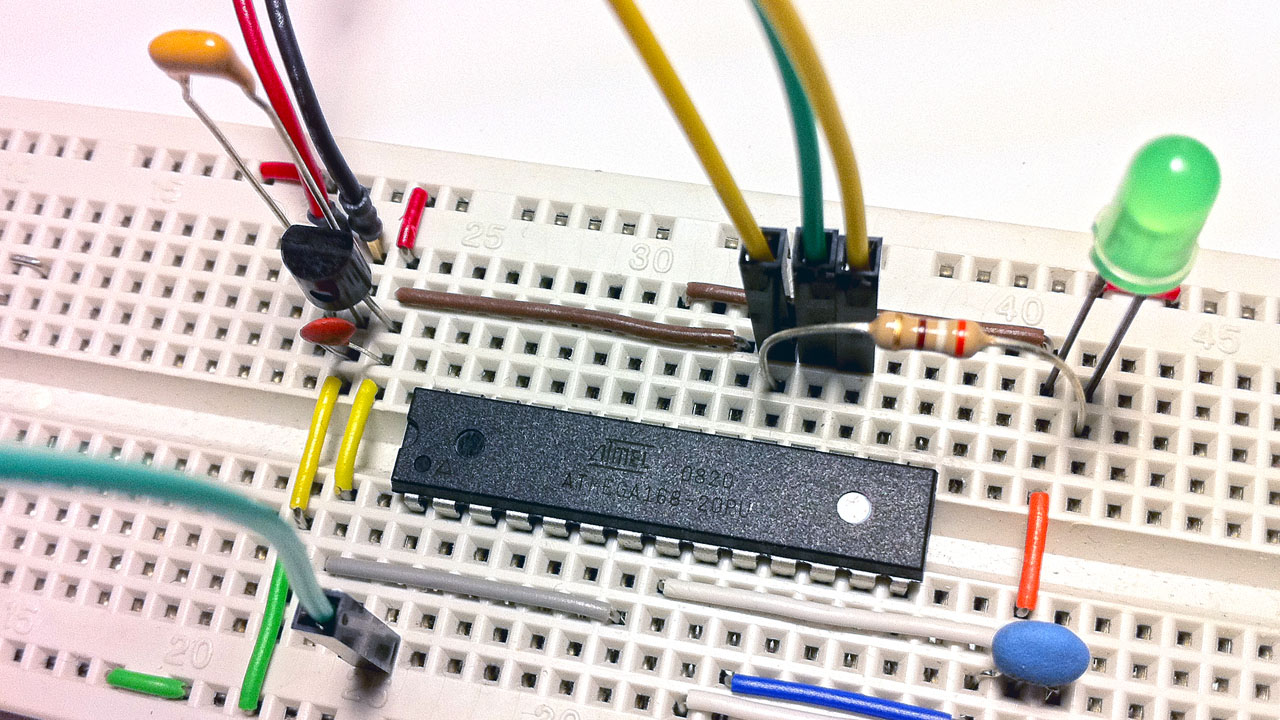
Make Your Own Arduino on a Breadboard
14th Jumada Al-Akhirah, 1432 AH at Queens, NY. Arduino is an open-source electronics prototyping platform designed to make hardware and software flexible and easy to use for everyone. Think of it as a tiny micro-computer in the palm of your hand. You can write programs in C/C++ and upload them to an Arduino in seconds.…
-
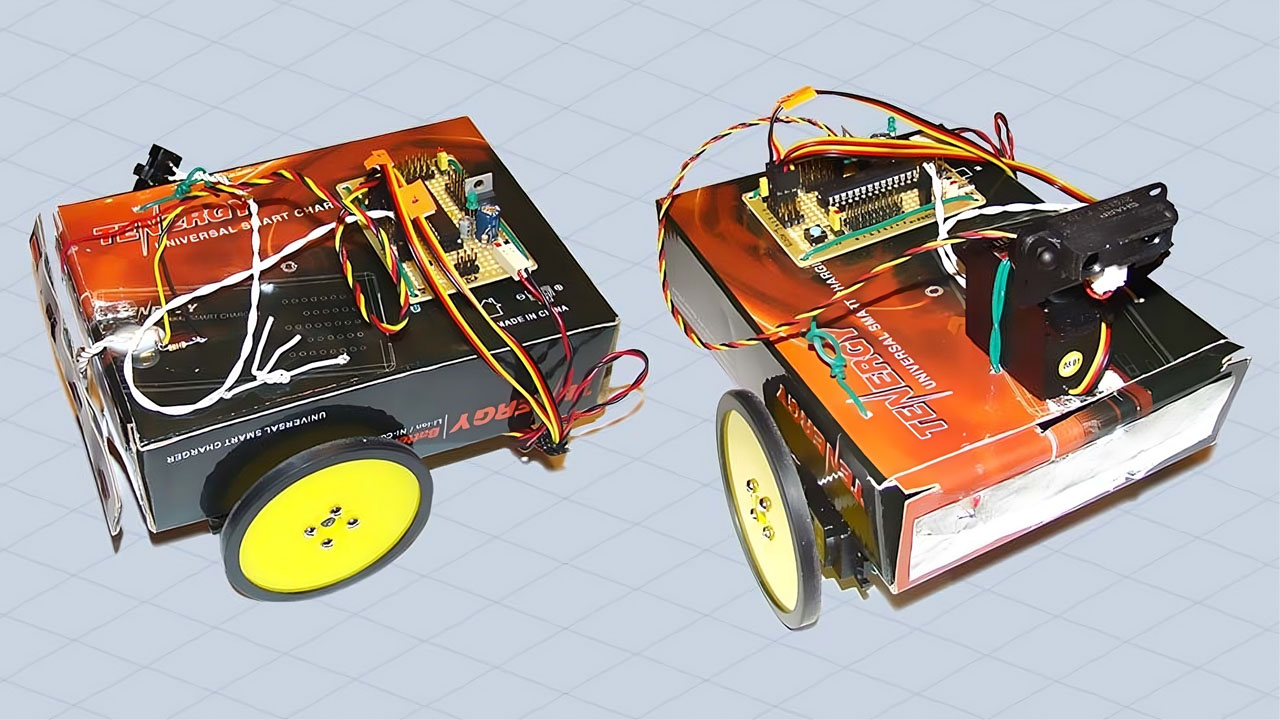
Building My First Robot
16th Ramadan, 1429 AH at Queens, NY. After building the motherboard, I couldn’t wait to create my first robot. It took me less than a day to assemble this quick-and-dirty ghetto robot, which served as a pre-experimental project. Without any mechanical tools or a 3D printer at hand, I had to improvise. I repurposed a…
-
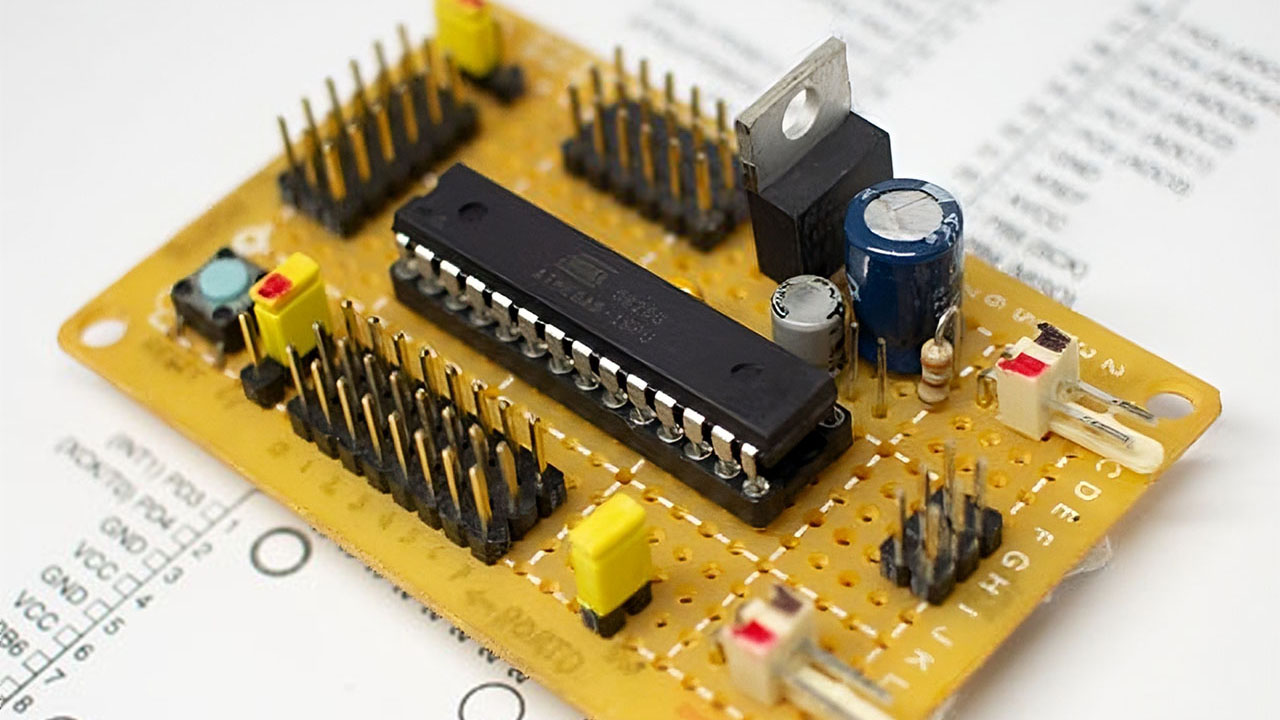
Designing the Motherboard for My First Robot
14th Ramadan, 1429 AH at Queens, NY. Today, I completed building the brain of my robot, the MCU board using the ATmega8 AVR microcontroller. This MCU board can be powered by a 6V adapter or five 1.2V NiMH rechargeable batteries. The ATmega8 AVR runs on 5V, which is why I used National Semiconductor’s Low Dropout…